Definition
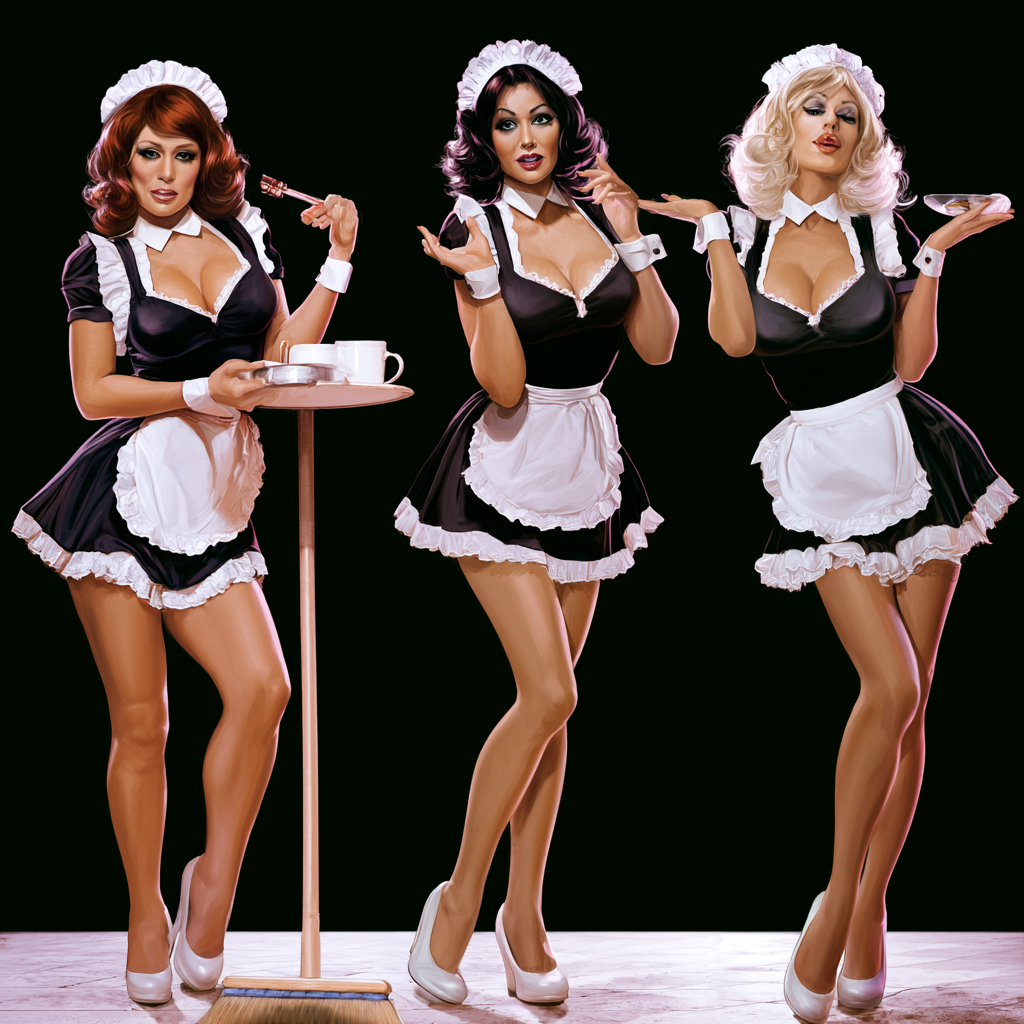
A British maid—more accurately, a housemaid or parlourmaid—was historically a domestic servant in British households, responsible for cleaning, serving meals, lighting fires, and maintaining the intricate social rituals of the upper and middle classes. The role was rigidly hierarchical: housemaids, parlourmaids, lady’s maids, cooks, and butlers each occupied distinct rungs of the domestic ladder, with uniforms, titles, and duties precisely codified. While the literal profession has largely disappeared in modern Britain, the image of the British maid persists as a cultural archetype: starched apron, white cap, quiet efficiency, and a life spent in the background of other people’s comfort.
Why It Matters
The British maid is a window into the machinery of class. For centuries, the British aristocracy and bourgeoisie maintained their lifestyle through armies of domestic servants. In 1901, approximately 1.5 million people—mostly women—worked as domestic servants in England and Wales, making it the largest category of employment. The maid’s role was not just labor; it was performance. A good maid was invisible—entering rooms silently, anticipating needs without being asked, embodying the fantasy that wealth maintains itself. The decline of domestic service in the 20th century (accelerated by the World Wars, labor laws, and the rise of household appliances) transformed British society. The “Upstairs, Downstairs” dynamic became history, but its fascination only grew. Today, the British maid exists primarily as nostalgia, fetish, and historical subject.
Example
Downton Abbey (2010–2015) made the British maid globally famous again. Characters like Anna Bates (head housemaid turned lady’s maid) and Daisy Mason (kitchen maid) became audience favorites, their struggles—romance across class lines, ambition, betrayal—driving the plot as much as the aristocrats upstairs. The show was so successful that it spawned a feature film and a tourism industry at Highclere Castle, where it was filmed. For a darker example, the real-life “servant problem” of the 19th century involved women working 16-hour days, seven days a week, for minimal wages, with no legal protections. The 1861 census recorded that one in every nine women in England was a domestic servant. Their labor built the comfort that novels like Pride and Prejudice take for granted.
Internet Angle
The British maid is a surprisingly durable internet archetype. Anime and manga frequently feature “British maids” as characters—combining the historical uniform with Japanese moe aesthetics. The “maid café” phenomenon, while Japanese in origin, often borrows British Victorian styling. On Reddit’s r/DowntonAbbey and r/perioddramas, debates about the accuracy of maid portrayals generate thousands of comments. Historians like Lucy Lethbridge (Servants: A Downstairs History of Britain from the Nineteenth Century to Modern Times) have built popular followings through podcasts and Twitter threads dissecting the real lives of domestic workers. The British maid has also become a subcultural aesthetic: “cottagecore” and “dark academia” Pinterest boards feature maid-inspired imagery alongside herbalism, grand estates, and foggy English mornings. The archetype also persists in costume design, cosplay, and the fetishization of service and submission that the uniform historically encoded.
Related Terms
- Downton Abbey — The ITV/PBS television series that revived global interest in British domestic service hierarchies
- “Upstairs, Downstairs” — The classic 1970s BBC drama and the shorthand for the British class divide within households
- Lady’s maid — The highest-ranking female servant, attending personally to a wealthy woman’s dressing and needs
- Cottagecore — The internet aesthetic romanticizing rural English domestic life, including maid imagery
- Domestic service — The broader historical institution of live-in household labor that employed millions of British women
Word count: ~520