Definition
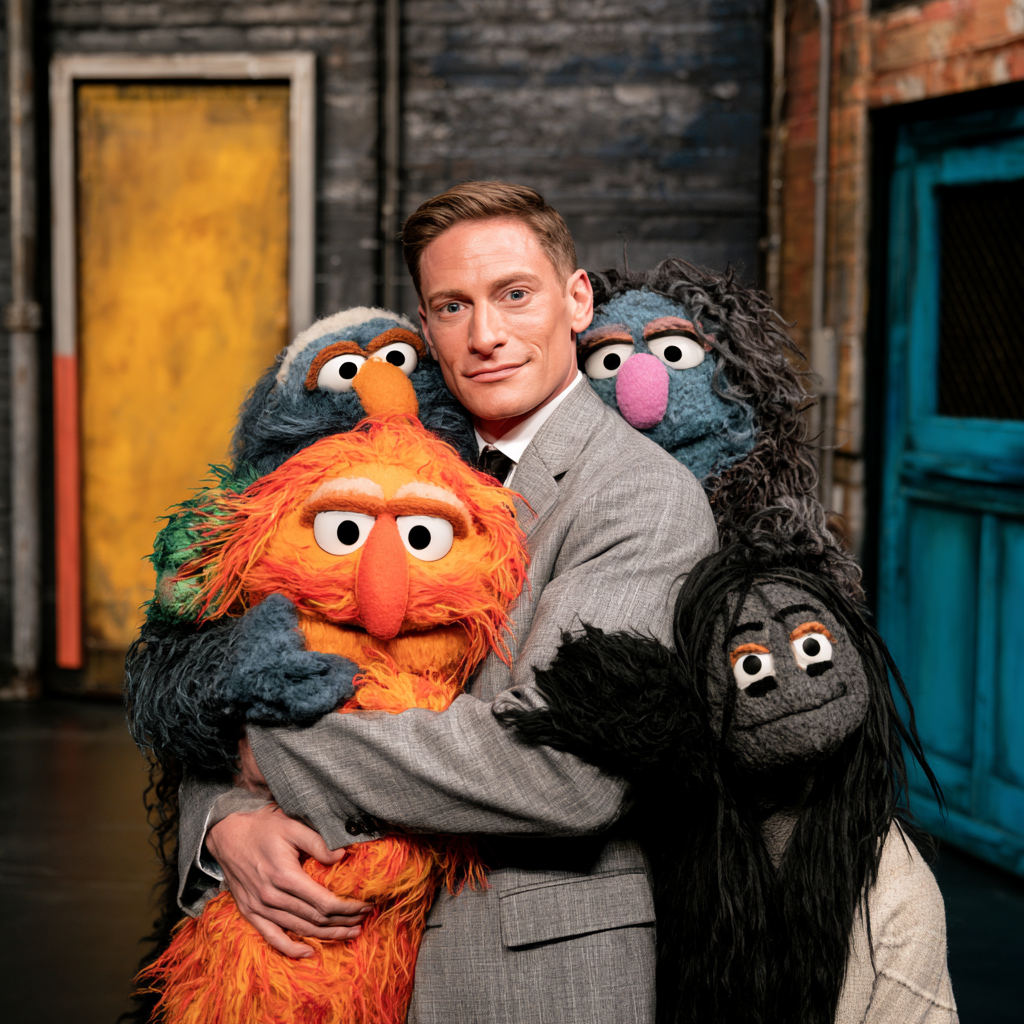
Avenue Q is a musical comedy that opened Off-Broadway in 2003 before transferring to Broadway, where it ran until 2009 and won the Tony Award for Best Musical — famously defeating Wicked. Created by Robert Lopez, Jeff Marx, and Jeff Whitty, the show is a Sesame Street-style puppet musical for adults, using puppets (operated by visible puppeteers) to tell the story of Princeton, a recent college graduate who moves to a run-down apartment on Avenue Q in New York City and struggles to find his “purpose.” The show’s songs tackle themes rarely addressed in musical theater: racism (“Everyone’s a Little Bit Racist”), internet pornography (“The Internet Is for Porn”), homosexuality (“If You Were Gay”), and the futility of a humanities degree (“What Do You Do with a B.A. in English?”). The humor is crude, the puppet sex scene is infamous, and the emotional core — the search for meaning in a world that does not care about your dreams — is surprisingly sincere. Avenue Q became a cult hit and a symbol of early-2000s musical theater: irreverent, self-aware, and unafraid to be both stupid and smart at the same time.
Why It Matters
Avenue Q is the internet’s favorite musical to quote ironically. “The Internet Is for Porn” became a viral video before viral videos were a thing, spreading through early YouTube, college campuses, and email forwards. The internet’s relationship with Avenue Q is defined by this song: it is the perfect summary of early internet culture — crude, self-aware, and delighted by its own transgression. But Avenue Q also matters because it captured a specific generational anxiety: the show premiered in 2003, when millennials were graduating into a post-9/11 economy, carrying student debt, and discovering that their “special” childhoods had not prepared them for adult life. The “purpose” that Princeton searches for is the same purpose that internet forums, self-help blogs, and later, TikTok therapists would promise to deliver. Avenue Q was early: it said, “There is no purpose. There is only Avenue Q. And Avenue Q is a mess. But it’s your mess.” The show is also a time capsule of early-2000s humor: some jokes have aged well (the commentary on racism is still uncomfortably relevant), while others feel dated (the casual ableism in the character of Gary Coleman, played by an actual person with dwarfism). Avenue Q is not just a musical. It is a document. A document of a moment when the internet was new, when puppets could say “fuck,” and when everyone was a little bit racist. And a lot bit lost.
Example
“He saw Avenue Q in college. It was 2007. The puppets swore. The puppets had sex. The puppets sang about porn. He laughed. He was 20. He had a B.A. in English. He did not know what to do with it. He sang along. ‘What do you do with a B.A. in English?’ The answer was: nothing. The answer was: Avenue Q. At 35, he watched the clips on YouTube. The internet was still for porn. The racism was still a little bit. The purpose was still missing. He smiled. He was still on Avenue Q. And Avenue Q was still a mess. But it was his mess. And the puppets were still there. Swearing. Singing. Looking for purpose. Just like him.”
Related Terms
- The Internet Is for Porn — The show’s most famous song, which became a viral internet phenomenon
- Robert Lopez — The co-creator who went on to write music for Book of Mormon and Disney’s Frozen
- Puppet Sex Scene — The infamous on-stage puppet intercourse that became the show’s most talked-about element
- What Do You Do with a B.A. in English? — The opening song that perfectly captured millennial underemployment
- Tony Awards — The ceremony where Avenue Q’s Best Musical win over Wicked became a legendary upset